
Orbital welding technology stands at the forefront of precision and efficiency in the welding industry. This article delves into the intricate world of orbital welding, uncovering the various techniques that have revolutionized pipeline construction, food and beverage industry, and numerous other sectors requiring impeccable welds. Join Swisstech Schreiner on this journey through the high-tech world of orbital welding, where precision meets innovation.
Preparation Is the Greatest Welding Technique
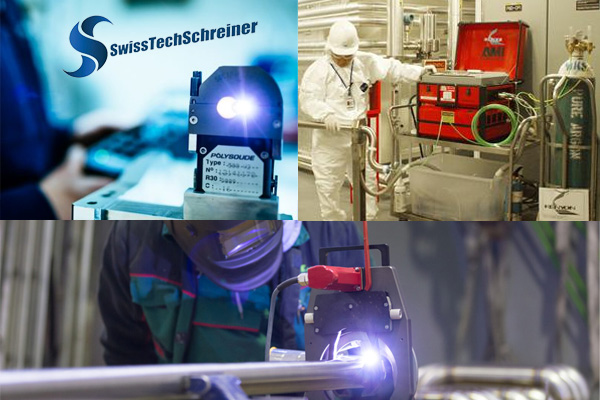
In the realm of orbital welding technology, preparation emerges as the linchpin for unparalleled success. This technique, often overshadowed by the allure of advanced machinery and innovative software, holds the key to precision and excellence in welding projects. By focusing on meticulous preparation, welders can ensure that every joint, every seam, and every weld is executed with the highest level of accuracy and strength. Such diligence in preparation not only enhances the quality of the final product but also elevates the efficiency and reliability of the welding process.
This approach aligns perfectly with the demands of industries where orbital welding technology is critical, such as aerospace, pharmaceuticals, and petrochemicals, where even the slightest imperfection can have significant consequences. By championing preparation as the greatest technique in orbital welding, we embrace a philosophy that prioritizes attention to detail, thoroughness, and a deep understanding of materials and orbital welding machines, setting a new standard of excellence in the field.
Different Welding Techniques Used in Orbital Welding Technology
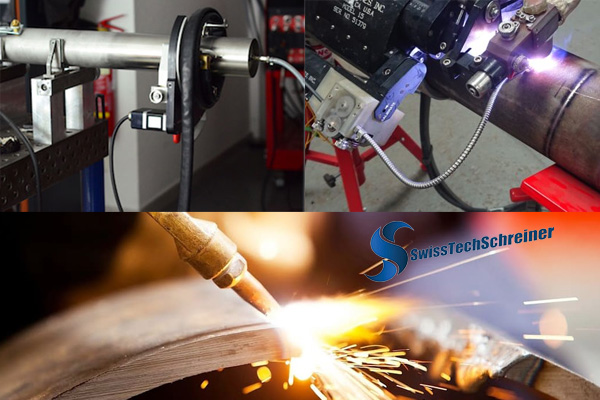
Orbital welding technology, a cornerstone in modern fabrication, employs a diverse array of welding techniques, each tailored to meet the unique demands of various industries. This versatility is a testament to the innovation and adaptability inherent in the field. Among these techniques, Tungsten Inert Gas (TIG) welding stands out for its precision and cleanliness, making it ideal for high-purity applications like pharmaceuticals and semiconductor manufacturing. On the other hand, Metal Inert Gas (MIG) welding offers speed and efficiency, favored in sectors where time is of the essence.
Another notable technique is Plasma Arc Welding, which excels in penetrating thick materials, a go-to method in aerospace and heavy industry. These techniques not only highlight the technical proficiency required in orbital welding but also underscore the technology's commitment to providing solutions that are both high-quality and cost-effective. As we delve into the intricacies of each method, it becomes evident that the choice of technique in orbital welding is not just a matter of preference but a strategic decision, driven by the specific needs of the project at hand. This multifaceted approach cements orbital welding technology's role as a key player in the ever-evolving landscape of industrial fabrication.
Different Welding Techniques for Different Welding Positions
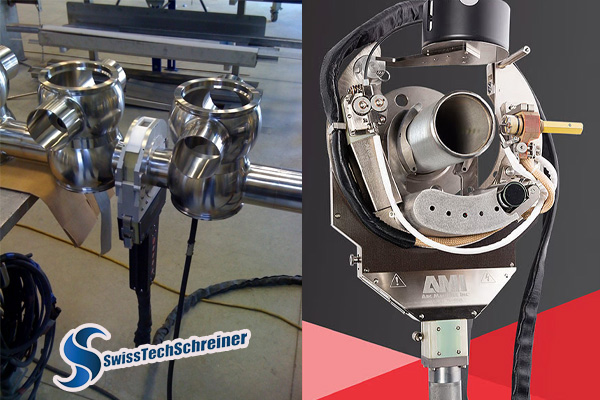
The art of welding is as varied as the positions in which welds are executed, with each technique offering unique benefits tailored to specific orientations. For flat or horizontal welding, Shielded Metal Arc Welding (SMAW) is often the go-to choice, known for its versatility and ease of use in creating strong, durable joints. When tackling overhead welding, Flux-Cored Arc Welding (FCAW) is preferred for its flux core wire that enhances the stability and quality of the weld in these challenging positions. Vertical welding, on the other hand, finds a perfect match in Gas Tungsten Arc Welding (GTAW), also known as TIG welding, which provides the precision and control needed for vertical seams.
Each of these techniques requires not only a deep understanding of the Orbital welding technology process but also an adaptation to the gravitational challenges and accessibility issues presented by different welding positions. This nuanced approach to welding positions ensures that the integrity of the weld is maintained, regardless of the orientation, making it a critical consideration in projects ranging from infrastructure development to automotive manufacturing. By mastering different welding techniques for various positions, welders can guarantee optimal outcomes, showcasing the adaptability and skill that define the welding profession.
=> See more articles on the same topic at :
=> (Orbital welding machine) Máy hàn quỹ đạo: giải pháp hiệu suất dành cho doanh nghiệp
=> TIG Orbital Welding Machine - Thiết bị hàn quỹ đạo TIG
=> Choosing the right pipe welding method?
The reasons for Deploying Orbital Welding for Different Welding Techniques
The deployment of Orbital welding technology in diverse welding techniques is a strategic choice driven by its unparalleled precision, consistency, and efficiency. This advanced technology is particularly indispensable in scenarios demanding high-quality welds, such as in the food and beverage industry, pharmaceutical, and petrochemical industries. One of the primary reasons for its widespread use is the ability of orbital welding to deliver uniform and repeatable welds, a necessity in applications where the slightest variation can lead to significant safety or quality concerns.
Additionally, orbital welding excels in environments where access is restricted or welds are in hard-to-reach areas, ensuring that even the most challenging joints are executed flawlessly. This technique also significantly reduces the likelihood of human error, enhancing the overall integrity of the welding project. Furthermore, the speed and efficiency offered by orbital welding machine mean that projects can be completed faster, without sacrificing quality, which is crucial in time-sensitive industries. By embracing orbital welding, companies are not just investing in a welding technique; they are investing in a guarantee of quality, safety, and efficiency, making it a cornerstone in modern fabrication and construction methodologies.
With this article, readers will gain insights into automated processes, the versatility of Orbital welding technology in different environments, and how this technology continually adapts to meet the ever-evolving demands of industry standards. Whether you're a seasoned professional or new to the world of welding, this blog offers a comprehensive guide to understanding the intricacies and applications of orbital welding techniques.
Swisstech Schreiner.
Add: ch 4153 reinach and hcm city vietnam
Hotline: (+84) 931 - 386 - 062
Phone: (+84) 931 - 386 - 062 +84931386062 ( zalo / viber / whatsapp )
Email: swiss.tech.schreiner@gmail.com
Other News

Sửa chữa mối hàn: Phân loại, quy trình và những lưu ý quan trọng
Sửa chữa mối hàn Maintenance work welding là một phần không thể thiếu trong các ngành công nghiệp liên quan đến sản xuất và bảo trì thiết bị. Bài viết dưới đây của Swisstech Schreiner sẽ cung cấp cái nhìn toàn diện về các loại sửa chữa mối hàn, phương pháp thực hiện và những lưu ý quan trọng trước khi tiến hành.
Hướng Dẫn Bảo Dưỡng Máy Hàn: Bí Quyết Duy Trì Hiệu Suất
Bài viết này sẽ hướng dẫn bạn cách xây dựng một lịch trình bảo dưỡng máy hàn Maintenance work welding hiệu quả để duy trì chất lượng và giảm thiểu tối đa thời gian ngừng hoạt động.
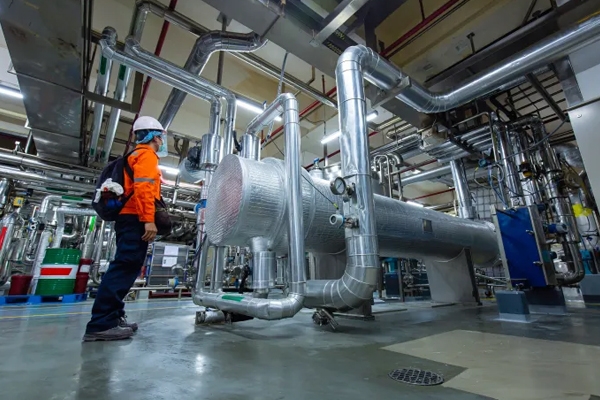
Gia công ống thép không gỉ (Stainless steel pipe processing) cho mối hàn đẹp
Ống thép không gỉ là loại vật liệu có khả năng chống ăn mòn cao, bền, đẹp và dễ gia công.. Tuy nhiên để đảm bảo an toàn của các sản phẩm ống thép, cần phải tuân thủ các kỹ thuật hàn chuyên nghiệp để tạo ra những mối hàn đẹp. Hãy theo dõi bài viết sau của Swisstech Schreiner để hiểu rõ hơn những phương pháp và lưu ý khi gia công ống thép không gỉ (Stainless steel pipe processing) nhé.
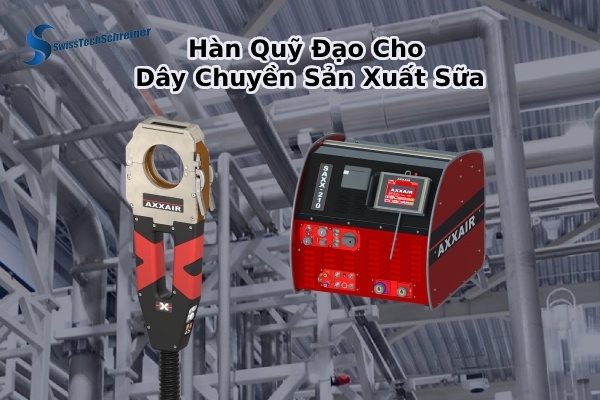
Lý Do Tại Sao Hàn Quỹ Đạo Rất Quan Trọng Cho Dây Chuyền Sản Xuất Sữa
Công nghệ hàn quỹ đạo Orbital welding technology trong sản xuất sữa (Dairy Product Lines) không chỉ giúp cải thiện chất lượng sản phẩm mà còn tăng tính cạnh tranh và hiệu quả của doanh nghiệp. Hãy cùng Swisstech Schreiner tìm hiểu về công nghệ này và ứng dụng trong ngành sữa nhé.
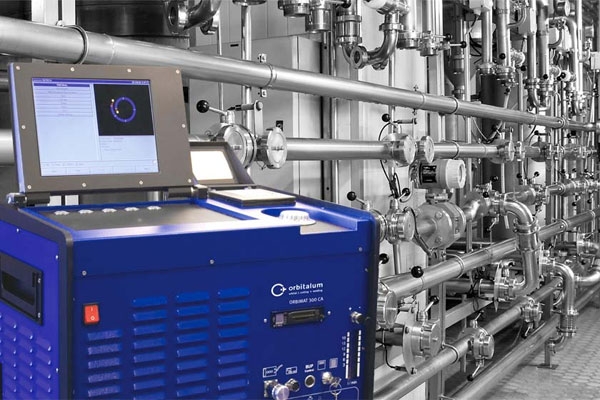
Công Nghệ Hàn Đạt Chuẩn An Toàn Thực Phẩm Trong Ngành Đồ Uống Beverage Industry
Khám phá tầm quan trọng của hàn inox đạt chuẩn an toàn thực phẩm trong ngành đồ uống nước giải khát beverage Industry. Tìm hiểu công nghệ hàn orbital tiên tiến giúp tạo mối hàn mịn, ngăn nhiễm bẩn và đáp ứng các tiêu chuẩn vệ sinh thực phẩm khắt khe.
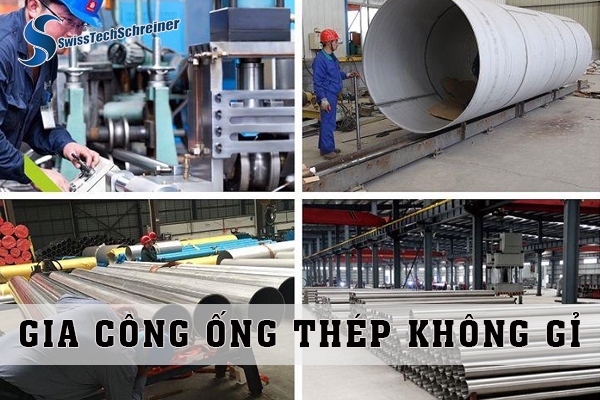
Gia Công Ống Thép Không Gỉ: Giải Pháp Tối Ưu Cho Nhiều Ngành Công Nghiệp
Cùng Swisstech Schreiner khám phá các phương pháp hàn thép không gỉ và tiêu chí lựa chọn phù hợp cho dự án của bạn trong gia công ống thép không gỉ stainless steel pipe processing. Tìm hiểu sự đa dạng của các kỹ thuật hàn để đảm bảo chất lượng sản phẩm và hiệu quả sản xuất.