
On the market, there are numerous welding technologies. The latest technology employed in industries where there is a need for weld quality, efficiency, productivity, and simplicity improvement is orbital welding technology. This article by Swisstech Schreiner gives an overview of the technology, taking into account all of the aforementioned variables.
Overview of orbital welding technology
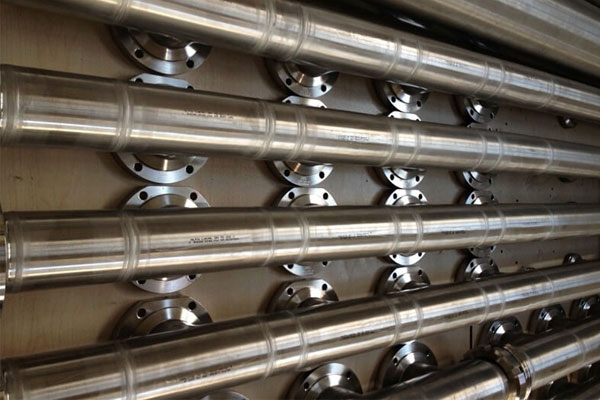
The method used to join the pipes or tubes followed a certain trajectory and is known as orbital welding technology. This technology is widely applied in the case of pipelines on a large scale, where a number of pipes are joined together.
There is a chance that the joints on these pipelines could leak. If the pipelines are utilized for the supply of gas or any other hazardous liquids, such as acid, etc., these leakages could be dangerous.
The leakage could also result in a drop in output, which would affect the hygiene situation. It is necessary for welding technology to advance in order to solve these issues. Because pipeline utilization is expanding daily, orbital welding is becoming more and more necessary.
Tube welding is currently becoming just as important to the sector as pipe welding. These tubes or pipes are mass produced in various sectors, so those industries require an increase in productivity. So, an advancement in orbital welding technology is needed for that.
Application of Orbital Welding technology
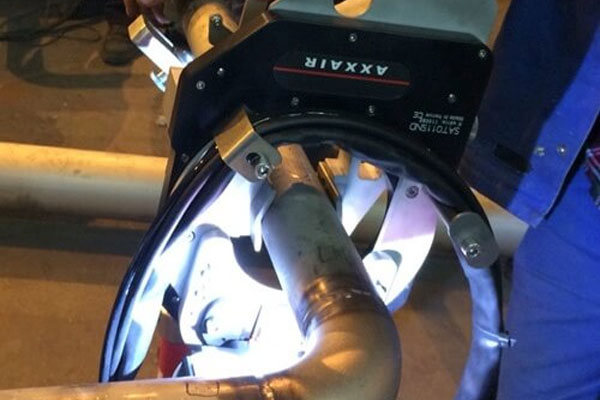
The use of orbital welding technology is increasing in a variety of industries. Currently, their applications are growing every day. The following is a list of some of their applications.
Aerospace
The benefits of automated orbital welding were initially understood by the aerospace sector. A single aircraft's high-pressure systems can have more than 1,500 automatically produced welded joints made by orbital welding machines.
Dairy, food, and beverage industry
For all weld joints in these industries, full penetration welds must be consistent. The tube and tubing welds need to be as smooth as possible for the pipe system to operate at its best efficiency. Every pit, fissure, crack, or imperfect weld joint might catch the liquid circulating inside the tube, creating a breeding ground for germs.
Industry of pharmaceuticals
Water of the highest caliber is supplied to pharmaceutical processes through piping systems and process lines. To guarantee that the water coming from the tubes is free of germs, rust, or other impurities, high-quality welds are necessary. Using orbital welding, full-penetration welds are guaranteed without overheating, which can reduce the final weld zone's ability to resist corrosion.
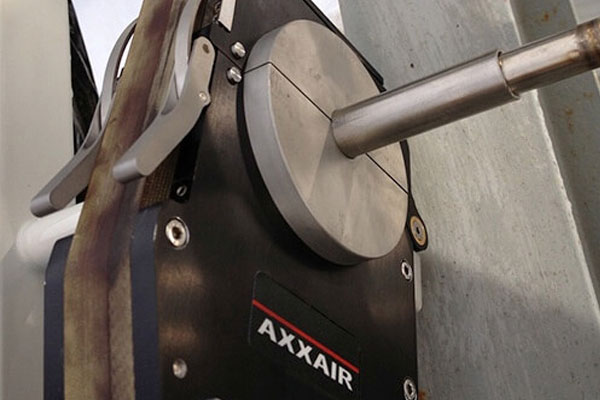
Industry of semiconductors
To avoid contaminant buildup on the tube wall or weld joints, the semiconductor sector demands pipe systems with exceedingly smooth interior surface finishes. A buildup of contaminants, moisture, or particulates could release once it becomes large enough and damage the batch process.
Valves, regulators, and pipe and tube fittings
Tubing with termination fittings is necessary for medical systems, liquid and gas distribution systems, and hydraulic lines. Optimal weld quality and excellent welding productivity are made possible by orbital systems.
These days, there is more competition in the producing industries. Customers seek high-grade products that are of good or excellent quality. There are no longer any chances for defects in the product. A change in manufacturing is required to survive in this cutthroat world.
Weld quality is increased, weld speed is increased, and scrap and rework costs are decreased when the welding process is optimized. The companies can obtain a lower cost per product with good quality and a short time by attaining these aims. It is simple to control the usage of the electrode, input material, shield can, etc. by using orbital welding technology and computer programming.
=>> Read more : Orbital welding technology ‘s definition and history
Swisstech Schreiner offers customers the solutions for the orbital welding technology, the pipelines in industries construction, maintenance work, etc., in a professional and meticulous way. Contact us for more information.
Swisstech Schreiner.
Add: ch 4153 reinach and hcm city vietnam
Hotline: (+84) 931 - 386 - 062
Phone: (+84) 931 - 386 - 062 +84931386062 ( zalo / viber / whatsapp )
Email: swiss.tech.schreiner@gmail.com
Other News
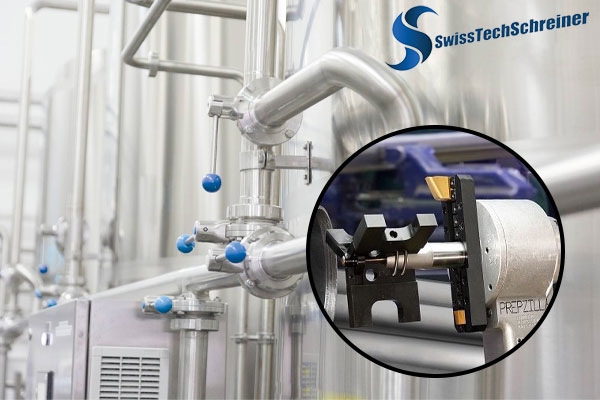
Lắp đặt đường ống công nghiệp nước giải khát (beverage industry) tại Swisstech Schreiner
Công nghệ hàn quỹ đạo (orbital welding technology) đang ngày càng phổ biến trong ngành công nghiệp nước giải khát (beverage industry). Trong bài viết này, chúng ta sẽ khám phá chi tiết hơn về công nghệ hàn quỹ đạo của Swisstech Schreiner.
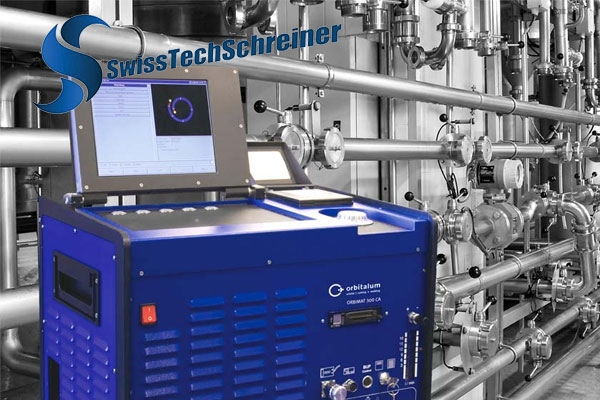
Lý do Công nghệ hàn quỹ đạo (orbital welding technology) phát triển mạnh
Công nghệ hàn quỹ đạo (orbital welding technology) được sử dụng trong nhiều ứng dụng có độ chính xác hoặc độ tinh khiết cao, vật liệu cơ bản, (các) đường kính ống, các yêu cầu về mối hàn và lắp bộ phận,độ tinh khiết của khí bảo vệ, chiều dài hồ quang và loại điện cực vonfram, hình dạng đầu và bề mặt có những yêu cầu cụ thể.
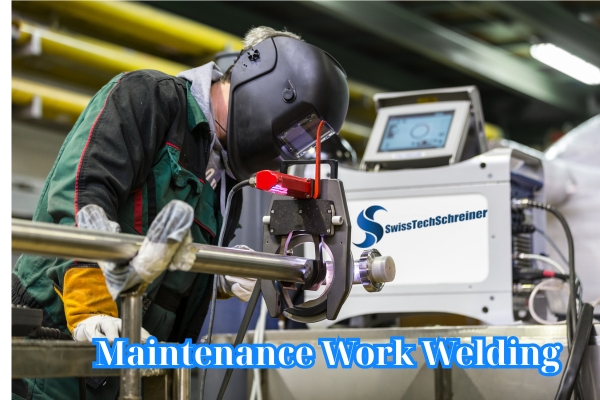
Maintenance Work Welding – Bảo Trì Hàn Hiệu Quả Cho Mọi Công Trình Kim Loại
Trong lĩnh vực công nghiệp hiện đại, việc duy trì độ bền và sự ổn định của các kết cấu kim loại đóng vai trò cực kỳ quan trọng. Một trong những giải pháp tối ưu nhất hiện nay chính là Maintenance Work Welding – dịch vụ bảo trì hàn chuyên sâu, giúp kiểm soát chất lượng công trình và kéo dài tuổi thọ thiết bị.
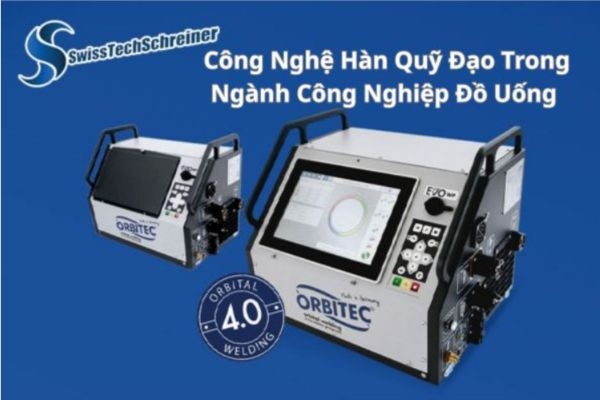
Ứng Dụng Công Nghệ Hàn Quỹ Đạo Trong Ngành Công Nghiệp Đồ Uống
Ngành công nghiệp đồ uống sử dụng công nghệ hàn quỹ đạo không chỉ là xu hướng mà còn là giải pháp bắt buộc trong bối cảnh tiêu chuẩn vệ sinh và hiệu quả sản xuất ngày càng được siết chặt. Nhờ khả năng tạo mối hàn sạch, chính xác và đồng đều, công nghệ này giúp các doanh nghiệp nâng cao chất lượng sản phẩm
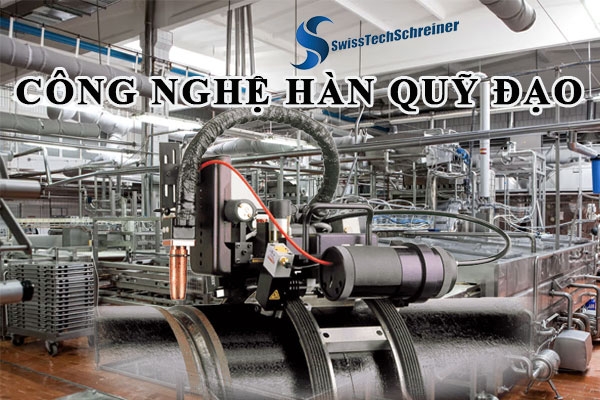
Công nghệ hàn quỹ đạo trong hệ thống dây chuyền sản xuất nhà máy bia
Công nghệ hàn quỹ đạo (orbital welding technology) đã trở thành một giải pháp đột phá, đặc biệt trong hệ thống dây chuyền sản xuất tại các nhà máy bia. Bài viết này của Swisstech Schreiner sẽ khám phá cách thức công nghệ hàn quỹ đạo đáp ứng ngành này.
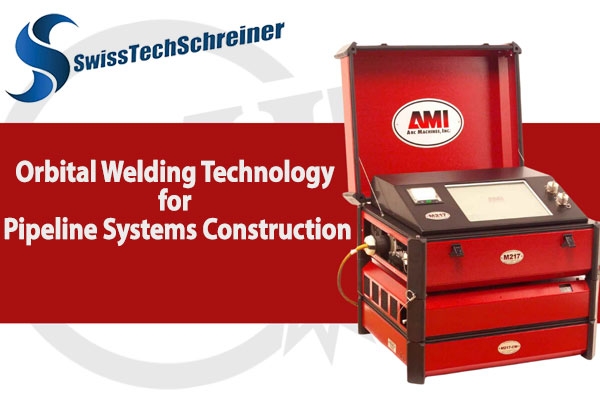
Orbital Welding Technology for Pipeline Systems Construction
As pharmaceutical companies strive for excellence in their operations, Swisstech Schreiner with Advanced orbital welding technology iss proving to be indispensable tools, ensuring the continued production of safe and high-quality medications for the world.